









Estate planning for expats is one of those things that feels like a problem for later — until it isn’t. Most Australians in the US do not have a will. The ones who do often have an Australian will they wrote years ago that may or may not work here, and almost none of them have thought through what happens to their children, their assets, or their Australian property if something happens while they are living overseas. It feels like a problem for later — until it isn’t.
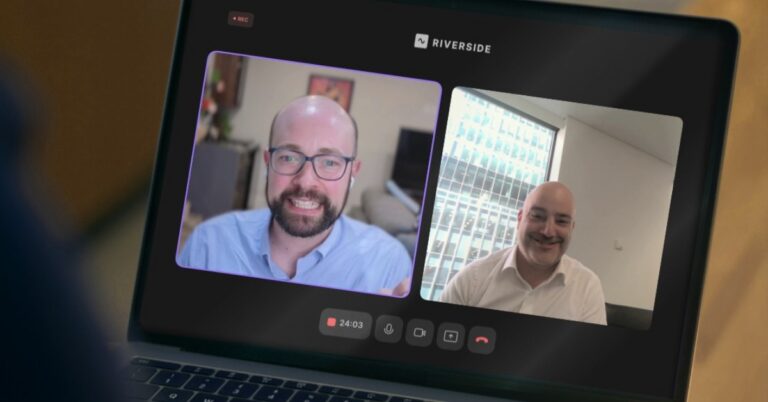
We ran a webinar with Shannon McNulty from The Village Law Firm in New York to walk through what Australians actually need to do. Shannon is an estate planning attorney who works with international families. The Village Law Firm focuses on trusts, estates, and estate administration. Most of their work is with cross-border clients. Her answers were direct and practical. Here’s what came out of the conversation.
General advice disclaimer: This article is for general info only. It does not count as legal advice, professional advice, or personal guidance. It does not take into account your goals, situation, or needs. Before making any decision, we strongly recommend that you seek advice from a qualified legal pro. The Village Law Firm offers a free 15-minute consultation for readers who want to discuss their specific situation.
Do you need wills in both Australia and the US?
This was the most-asked question going into the webinar. Shannon’s answer was lawyerly: it depends. Specifically, it depends on what assets you have, whether you have minor children, and the value of those assets. If your Australian account holds only five or ten thousand dollars and you use it just when you visit, paying a couple of thousand dollars for an Australian will probably isn’t worth it. But if you have real assets in both countries, the gold-standard approach is two coordinated wills, one in each country.
The two wills should be written to interact with each other. Your Australian will covers your Australian assets and explicitly carves out your US assets. The US will does the reverse. Ideally they’re written at the same time, by attorneys in each country who talk to each other. Shannon’s firm often works with Australian attorneys to make sure nothing falls through the gaps.



Why this matters: a single Australian will can cover everything, but it creates real headaches. You have to wait for the primary jurisdiction’s proceedings to finish before the secondary one can begin. The drafting rules differ between countries, and even between US states. Single-will setups take much longer to resolve.
What is “domicile” and why does it matter for estate planning?
Domicile is a legal concept. It asks: where was your permanent home, and where did you plan to stay? It’s the starting point for any cross-border estate matter.
If you die in the US, the first question lawyers ask is where you were domiciled. That answer drives everything else. Were you on a temporary visa with plans to return to Australia? Were you applying for a green card? Had you started building a permanent life in the US? Whichever country is your domicile becomes the “primary jurisdiction.” Everything else is called “ancillary.”
This is why Shannon recommends estate planning advice every time you cross a border. Your domicile shifts. Your tax exposure shifts. The validity of your existing documents shifts. Whatever planning you did before you moved may not work the way you think.
What happens if you die in the US without a will?
The short answer: courts and bureaucracies decide everything, slowly.
For your children, it can get genuinely terrifying. If you have minor children in the US and no plan in place, Child Protective Services can take temporary custody. A family member then has to petition to be appointed as guardian. That petition takes time. It can take six months to a year. Your sister cannot simply fly over from Sydney and take the kids home. She’ll be stopped at the airport, since she has no legal standing as a guardian.
For your assets, it depends on the jurisdiction. In New York, for example, if you’re married with kids and die without a will, your spouse does not just inherit everything. The split is 50% to the spouse and 50% to the children. If those children are minors, the court supervises their share until they turn 18. The surviving spouse has to ask the court for permission to use that money for the children’s own care.
This was the part that visibly rattled people. Most Australians assume their spouse will inherit everything by default. In several US states, including New York, that’s not how it works.
Who gets guardianship of your children if you die?
By law, children under 18 must have a legal guardian. When parents are alive, they’re the natural guardians. When they aren’t, a court has to formally appoint someone.
For Australians with family back home, the practical move is to name two guardians. A foreign guardian (typically family in Australia) is your first choice. A US-based guardian is the backup. The US backup is temporary. It’s in place only until the Australian family member can be formally appointed by the court. That formal appointment can take months.
Shannon’s strongest advice for parents without close family in the US: think outside the box. If you don’t have family nearby, look at your Aussie community. Other Aussie parents in the same situation can often serve as each other’s backup guardians. The conversation feels awkward until you remember this is worst-case planning. Most people will look after your kids if you ask them and document it.
The window matters. Without a documented short-term guardian in the US, the gap can be six months or more. That’s the gap between “the parents are gone” and “the Australian family member is formally appointed.” That’s six months of legal limbo for a child.
Estate planning for expats: the $60,000 tax trap
This is the part that surprises most Australians. The US estate tax system divides people into three categories.
US citizens have a current estate tax exemption of around $15 million per person. Anything below that line passes to beneficiaries tax-free. Green card holders fall into the same generous bucket. The exemption applies to assets worldwide, not just US-based assets.
Non-residents on temporary visas — including everyone on an E-3 — fall into a different bucket. The exemption drops from $15 million to $60,000 on US-based assets. Anything above that figure can be hit with US estate tax at rates up to 40%.
There is an important caveat for Australians. The US and Australia have a gift and estate tax treaty. It significantly improves the position for Australian nationals. The treaty brings the available exemption much closer to the $15 million figure, rather than the bare $60,000 floor. You still have to file a US tax return and formally claim the treaty benefit. But the upshot is that most Australians avoid most of the trap.
The trap remains for anyone who doesn’t file the right paperwork. It also remains for couples where one spouse is a US citizen and the other isn’t. Transfers between two US-citizen spouses are tax-free. Transfers from a US citizen to a non-citizen spouse are not.
What is a revocable living trust and do you need one?
A revocable living trust is the structure Shannon recommends for most cross-border clients. It works alongside a will, rather than replacing it.
The key win is that assets held in a trust don’t go through probate. Probate is the court process that validates a will, identifies assets, pays debts, and distributes what’s left. It’s slow. A US-only probate usually takes at least six months. Anything with an Australian element pushes well over a year. Assets in a trust skip that process and can be distributed quickly.
The structure works like this. While you’re alive, your trust owns your US assets. You’re the trustee, so you control everything as if you owned the assets yourself. If you die, the trust still exists. The person you’ve named as successor trustee takes over and distributes the assets according to the trust’s terms. No court wait.
The will sits underneath this as a “pour-over will.” It catches anything that wasn’t formally put into the trust and pours it into the trust on your death. Ideally, very little flows through the will itself. Everything important is already in the trust.
Shannon’s firm usually keeps trust assets limited to US-based holdings. Putting Australian assets into a US trust can trigger bad Australian tax outcomes. Shannon would only do that with explicit advice from Australian counsel.
Estate planning for expats: the three essential documents
Estate planning isn’t just about wills. The standard package includes three documents.
A will names guardians for minor children, identifies who inherits your assets, and appoints an executor.
The healthcare proxy (sometimes called a medical power of attorney) authorizes someone to make medical decisions for you if you can’t. This is critical for anyone living away from family. The natural decision-maker — a parent or sibling — has no legal standing in a US hospital without this document.
The power of attorney authorizes someone to make legal and financial decisions for you. This covers everything from paying your bills to managing your investments.
If you’re going to do one piece of estate planning, Shannon’s view is that the three-document package is the baseline. Even if you don’t have substantial assets, you have a body and a bank account. Someone needs to be authorized to handle both if something happens.
How long does estate planning actually take?
Two timeframes matter here.
First is the setup process. Shannon’s firm usually runs five meetings over six to eight weeks. First, an intro consultation. Next, a meeting to identify who fills which roles. Then a meeting to review draft documents. Then a meeting to sign them. Finally a meeting to handle beneficiary designations, asset listings, and any loose ends — like whether your guardian knows about your child’s allergies. The signing is when the documents become legally effective. But the post-signing work matters too.
The second timeframe is what happens after you die. With a properly structured plan including a revocable living trust, your US-based assets can be distributed quickly without court involvement. Without that structure, US probate alone takes at least six months. Add another country, and you’re looking at over a year, often longer. Australian processes wait for US processes to finish, and vice versa. Documents need to be apostilled — that’s a special international certification. Courts move at their own pace.
For families that depend on those assets to care for children, that gap matters. A revocable living trust solves it by removing the court bottleneck.
Five myths about estate planning for expats
These came up so often in the registration questions that we walked through them on the webinar. Each one is wrong, and each one is dangerous in a different way.
Myth one: my Australian will covers everything. It can. But it creates real complications. The wording that worked in Australia may trigger surprises under US law.
Myth two: I’m not wealthy enough for estate planning to matter. Most of Shannon’s clients don’t have estate tax exposure. They still need plans. The bigger risk isn’t tax. It’s their children ending up in foster care, or their spouse waiting eighteen months to access funds.
Myth three: my spouse will automatically inherit everything. In New York and several other states, not if you have minor children. The default split puts assets in court-supervised accounts for the kids until they turn 18.
Myth four: estate planning is for older people. It’s for anyone with assets, anyone with children, and anyone who could end up in a US hospital where the natural decision-maker has no legal standing.
Myth five: this is too complicated to sort out from overseas. If it’s complicated now, it’s much more complicated for the people you leave behind.
How to find an estate planning attorney for expats
The general advice for finding the right attorney: look for someone who openly handles cross-border or international families. Most US estate attorneys don’t. The ones who don’t tend to either decline the work or miss critical details. New York, California, and Florida all have substantial international-family practices. Smaller states often don’t. In that case, you may need a coordinating attorney like Shannon’s firm working alongside a local attorney in your state.
If you’re in New York, New Jersey, or Pennsylvania, Shannon’s firm at The Village Law Firm can work with you directly. For other states, they can refer you to attorneys in their network or co-counsel with a local lawyer.
Shannon’s firm offers a free 15-minute consultation for readers who want to discuss their specific situation.
The harder question is when to start. Shannon’s view: any time you cross a border, you should get advice. New country, new tax exposure, new validity rules for your existing documents. Same goes for status changes (E-3 to green card, green card to citizenship), major life events (children, marriage, divorce), and big changes in assets. Each of these triggers a review, not always a rewrite, but at least a conversation.
The cost of getting this wrong isn’t theoretical. It’s measured in years of court proceedings, frozen assets, kids in temporary care, and family members trying to navigate a foreign legal system while grieving. The cost of getting it right is a few thousand dollars and a few weeks of attention. It’s the most lopsided return on effort in expat life.
Estate planning for expats FAQs
If you have meaningful assets in both Australia and the US, yes. The recommended approach is two coordinated wills, one in each country, each carving out the other country’s assets. A single Australian will trying to cover everything in both countries can work but creates significant delays and complications during probate. Two coordinated wills written by attorneys who speak to each other is the gold-standard approach.
Without a documented guardian in place, Child Protective Services can take temporary custody until a family member successfully petitions the court to be appointed. That petition process can take six months to a year. Australian family members cannot fly to the US and take your children home — they have no legal standing without formal court appointment. The standard solution is to designate both a foreign guardian (the long-term choice) and a US-based backup guardian (the temporary stopgap).
Not in every state. In New York and several others, if you have minor children and die without a will, the split is 50% to your spouse and 50% to your children. The children’s share goes into court supervision until they turn 18. Even the surviving spouse has to petition the court for permission to use that money to support the kids. The default rules vary by state, but assuming “everything goes to my spouse” without a will is a common and costly mistake.
For US citizens and green card holders, the federal estate tax exemption is approximately $15 million per person. For non-residents on temporary visas like the E-3, the exemption drops to $60,000 on US-based assets. However, the US-Australia gift and estate tax treaty significantly improves the position for Australian nationals, effectively closing most of the gap. Claiming the treaty benefit requires filing a US tax return and formally invoking the treaty.
A revocable living trust is a legal structure that holds your assets during your lifetime and distributes them to your beneficiaries after death without going through court probate. For cross-border clients, the speed advantage is significant: trust assets can be distributed quickly, while probate alone typically takes six months in the US and over a year when an Australian element is involved. The trust works alongside a “pour-over will” that catches anything not formally placed into the trust.
A typical setup process with an estate planning attorney takes six to eight weeks across approximately five meetings: introductory consultation, role designation, document review, signing, and finishing touches (beneficiary designations, asset listings, practical handover items). Documents become legally effective at signing, but the post-signing administration work matters too.
At a minimum, three documents form the baseline estate planning package: a will (names guardians for minor children, identifies inheritors, appoints an executor), a healthcare proxy or medical power of attorney (authorizes someone to make medical decisions if you can’t), and a financial power of attorney (authorizes someone to make legal and financial decisions on your behalf). All three matter more for expats, because the natural decision-maker (a parent or sibling back home) may not be able to step in.
Generally no, there’s no US tax on receiving an inheritance from a non-US person. There is a reporting requirement, however: inheritances or gifts from foreign persons in excess of approximately $100,000 in a single year must be reported on a Form 3520 with the IRS. Failure to report can trigger substantial penalties, even though no tax is owed.
Any time you cross a border, change visa status (E-3 to green card, green card to citizenship), have a child, marry, divorce, or experience a significant change in assets. Each of these triggers a review, not necessarily a full rewrite, but at minimum a conversation with your attorney. Estate plans aren’t set-and-forget documents.
Look explicitly for attorneys who specialize in international families. Most US estate attorneys don’t, and may either decline the work or miss critical details. New York, California, and Florida have substantial international-family practices. For smaller states, a coordinating attorney experienced in cross-border work can co-counsel with a local attorney. The Village Law Firm advises directly in New York, New Jersey, and Pennsylvania and can refer to attorneys in other states.
This article is based on a webinar conversation between America Josh and Shannon McNulty, Esq., of The Village Law Firm, recorded in 2026. Information is general in nature and reflects US and New York law at the time of recording. Individual circumstances vary widely. For advice specific to your situation, consult a licensed estate planning attorney.
You might also like
 Related to: International Estate PlanningWebinar – Is Your Family Protected Internationally? — Wills & Estate Planning for Expats
 Related to: International Relocation FinanceFinancial Checklist: What to Do Before You Move to the US (2026)
 Related to: Expat Estate PlanningDo I need a will in my new home country as an expat 2026?
 Related to: Expat Tax PlanningExpert Q&A: Managing Your Australian Assets While Living in the US
 Related to: Expat Tax Planning7 Australian Financial Strategies That Can Backfire If You’re Living in the US
 Related to: International Property Investment TaxTax Implications for Australian Expats and Foreign Investors in the US When Buying Property in Australia