If you've landed a job offer in America, congratulations—but you're probably not done yet despite rounds of interviews. Most US employers will run a background check before your start date, and for Australians, this process can be surprisingly thorough. Here's what's coming and how to prepare.
In Australia, employment screening is relatively light. Your new employer might call a reference or two, maybe verify your degree. In America, it's a different story. Background checks are routine, detailed, and can include things that would seem invasive back home—like checking your credit score or requiring a drug test before you start.
None of this is meant to catch you out. It's just how hiring works here. But knowing what to expect makes the whole process a lot less stressful.
What's Included in a Typical Background Check
The exact scope depends on the employer and the role, but most background checks include some combination of the following:
Identity and Social Security verification — This is usually the first step. The employer confirms you are who you say you are by checking your government-issued ID and verifying your Social Security number against national databases. For Australians without a work history in the US, you won't have a Social Security number, so this step may require some international documentation, identification, and background checks in some roles.
Criminal history check — This searches federal, state, and county court records for any criminal convictions. Depending on the state, arrests without convictions may or may not appear. Some states limit how far back employers can look (often seven years), while others have no limit.
Employment verification — The background check company will contact your previous employers to confirm job titles, dates of employment, and sometimes reasons for leaving. This is where accuracy matters. If you said you worked somewhere from 2018–2021 but the records show 2019–2020, that discrepancy will get flagged. (For context: studies suggest over half of job applicants admit to embellishing or lying on their resumes—so employers verify.)
Education verification — They'll confirm your degrees, certifications, and the institutions you attended. Australian universities are no problem—verification companies are used to dealing with international credentials. This typically involves contacting institutions directly or using services like the National Student Clearinghouse.
Credit check — If you have a social security number then employers may check your credit report. It's most common for roles involving financial responsibility, but it happens in other industries too. More on this below.
Drug test — Many employers require a pre-employment drug screening, especially in industries like healthcare, transportation, finance, and manufacturing. Some companies test all employees regardless of role.
Driving record (MVR) check — If the role involves operating a vehicle, expect a motor vehicle records check. This shows license status, any suspensions, moving violations, accidents, and points on your license.
Reference checks — Some employers will call your listed references directly. Others skip this entirely and rely on the formal verification process.
Professional license verification — If your job requires a license (nursing, law, accounting, engineering), they'll confirm it's valid and in good standing.
The Credit Check: Why Employers Care About Your Financial History
This is the one that throws Australians the most. Back home, a credit check is something that happens when you apply for a loan. In America, it can happen when you apply for a job.
Employers who run credit checks are generally looking for red flags like bankruptcies, accounts in collections, or significant debt—particularly for roles that involve handling money, sensitive data, or fiduciary responsibility. The idea (whether you agree with it or not) is that financial stress might make someone more susceptible to fraud or theft.
Here's what you need to know:
You have to give permission. Under the Fair Credit Reporting Act (FCRA), employers must get your written consent before pulling your credit report. You'll sign a disclosure form during the hiring process.
They see a modified report. Employment credit checks don't include your credit score. They show your debt, payment history, and any public records like bankruptcies—but not the three-digit number.
Limited credit history isn't a dealbreaker. If you're new to America and don't have much US credit history (or none at all), most employers understand this. Your Australian credit history won't appear on a US credit report.
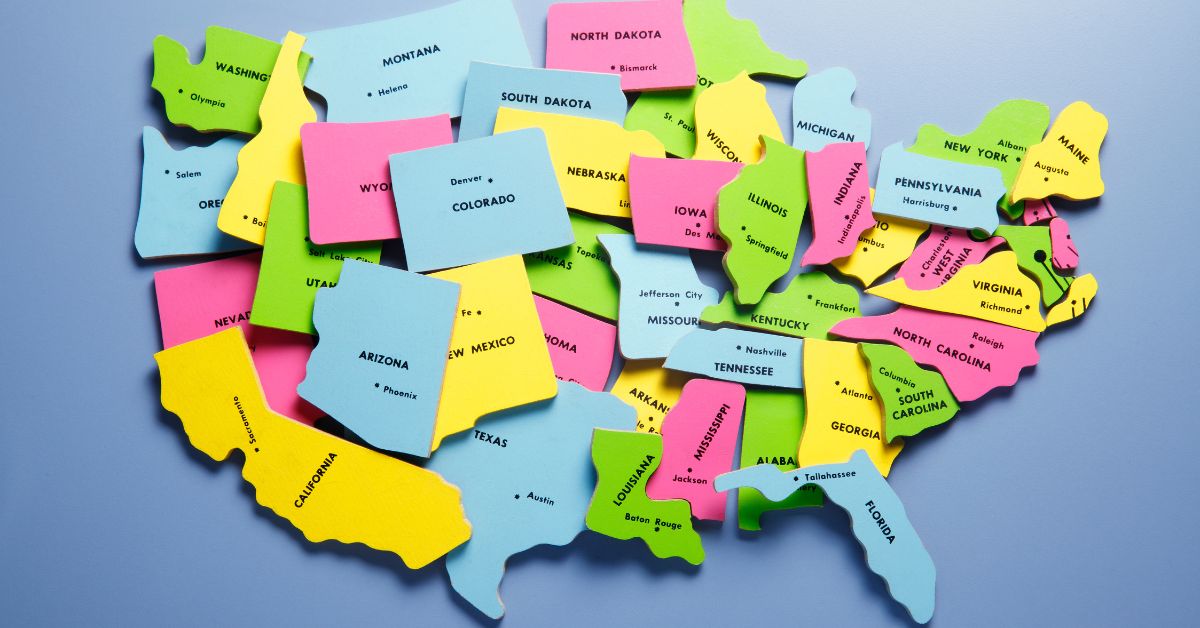
Some states restrict this practice. California, Colorado, Illinois, New York City, and several other states limit when employers can use credit checks—usually only for certain roles. If you're applying in one of these states, you may be protected.
Drug Testing: More Common Than You'd Expect
If you've never been drug tested for a job before, welcome to America.
Pre-employment drug screening is standard practice across many industries. It's especially common in healthcare, transportation and logistics, finance and banking, government and defense contractors, manufacturing and construction, and any role involving heavy machinery or safety-sensitive work.
Most drug tests are urine tests conducted at a third-party lab. You'll get a window of time (usually 24–48 hours) to visit the testing location after accepting the offer. Some companies use hair or saliva tests, but these are less common.
What they're testing for varies, but the standard panel (often called a 5-panel test) screens for marijuana, cocaine, amphetamines, opiates, and PCP. Some employers use expanded panels that include additional substances.
One thing that catches people: marijuana is still federally illegal in the United States, even though it's legal in many states. An employer can still decline to hire you based on a positive marijuana test, even in a state where recreational use is legal. Company policy trumps state law here.
If you take prescription medication that might affect your results (such as Adderall for ADHD or certain painkillers), bring documentation from your doctor. The testing lab's Medical Review Officer will contact you to verify legitimate prescriptions before reporting a positive result.
Criminal History Checks: What Shows Up
Criminal background checks search court records for any history of convictions. This can include felonies, misdemeanors, and in some cases, pending charges.
What typically shows up:
- Criminal convictions (felonies and misdemeanors)
- Pending criminal cases
- Incarceration records
- Sex offender registry status
What typically doesn't show up:
- Arrests that didn't result in conviction (in most states)
- Sealed or expunged records
- Juvenile records (usually)
- Minor traffic infractions
International records: Standard US background checks search US databases only. Your Australian criminal history won't automatically appear. However, some employers—particularly in finance, government, or security-sensitive roles—may require an international background check or ask you to provide an Australian Federal Police check yourself.
How Far Back Do Background Checks Go?
There's no single national standard. Some checks can go back decades, while others are limited by state law.
States with a seven-year limit include California, Massachusetts, Montana, Washington, Texas, New York, Nevada, and Maryland. In these states, most negative information older than seven years won't be reported.
Exception for higher-paying roles: In some states, if the position pays over $125,000, employers may be able to access information going back further—often up to 10 years.
For employment and education verification, there's generally no time limit. Employers can verify your entire work history if they choose to.
How Long Does It Take?
Most background checks are completed within 3–7 business days. However, it can take longer if you've lived in multiple states or countries, your previous employers are slow to respond, court records need to be obtained manually, or the company requires an international check.
Don't be alarmed if it takes a couple of weeks. It's usually just bureaucracy, not a red flag about you.
What Happens If Something Comes Up
If the background check reveals information that might affect the hiring decision, the employer is legally required to follow a process before rescinding your offer:
Pre-adverse action notice: They must send you a copy of the background check report and a summary of your rights under the FCRA. This gives you a chance to review the information and dispute any errors.
Time to respond: You typically have at least five business days to respond before they make a final decision.
Adverse action notice: If they decide not to hire you based on the report, they must send a final notice explaining the decision and informing you of your right to dispute the findings.
This process exists specifically to protect you from being rejected based on inaccurate information. Background check reports do contain errors, and you have the right to correct them.
How to Prepare
A few things you can do before your background check:
Review your resume for accuracy. Make sure your employment dates and job titles match what your previous employers have on record. Small discrepancies happen, but large gaps between what you claimed and what verification shows can raise concerns.
Know what's in your credit report. You can get a free credit report from each of the three major bureaus (Equifax, Experian, and TransUnion) once a year at AnnualCreditReport.com. Review it for errors or surprises.
Be honest on your application. If you have something in your history that might come up, it's almost always better to disclose it proactively than to have it surface in a background check. Many employers are more understanding than you'd expect—it's the deception that becomes the problem. One important note though: Keep the timing in mind. You don't need to reveal everything all-at-once!
Gather documentation. If you have degrees, licenses, or employment records from Australia, having copies handy can speed up the verification process if the company's vendor has trouble confirming international credentials.
Give your references a heads up. Let them know they might receive a call or email.
Will you really get a background check?
Background checks in America are more comprehensive than what you're used to in Australia, but they're not designed to catch you out and not all jobs are so comprehensive. They're a standard part of hiring, and millions of people go through them every year without issue.
The key is knowing what's coming so you're not blindsided. Be accurate on your application, understand your rights, and don't panic if the process takes a little longer than expected.